

Podcasts have become a common way for people to learn, stay informed, and explore new ideas. However, useful insights are often buried inside long episodes, making them hard to revisit later. Converting a podcast to text solves this problem by enabling listeners to scan, search, and reuse key points without having to replay entire recordings.
Today’s podcast-to-text tools are far more accurate and flexible than earlier solutions. They can handle different speakers, background noise, and informal conversations with impressive precision. As a result, transcription has become a practical option for students, creators, researchers, and professionals who want to turn audio discussions into notes, summaries, or reusable content.
Top 7 Podcast to Text Tools (AI Tools Included)
1. Mapify
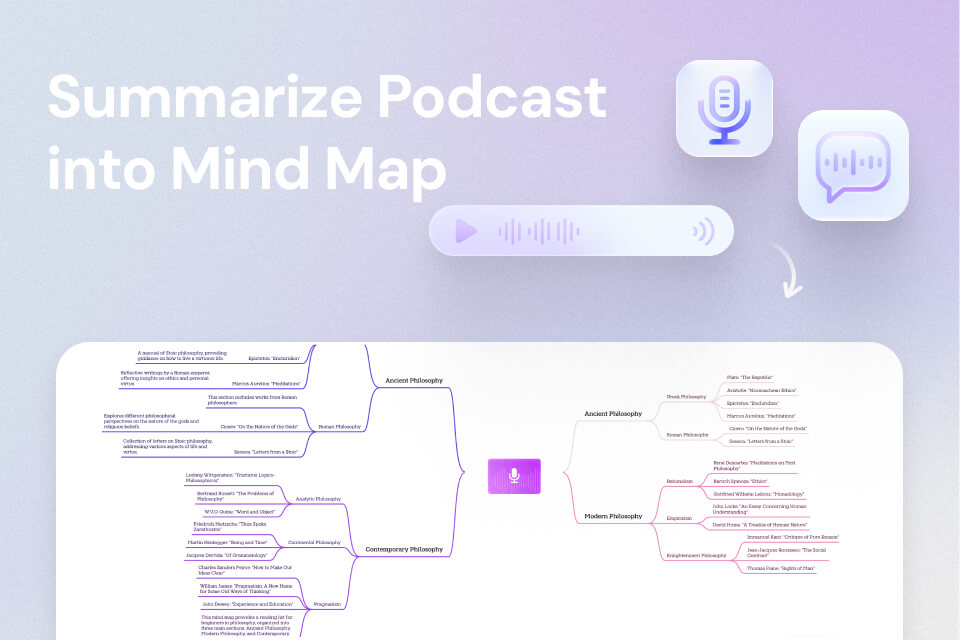
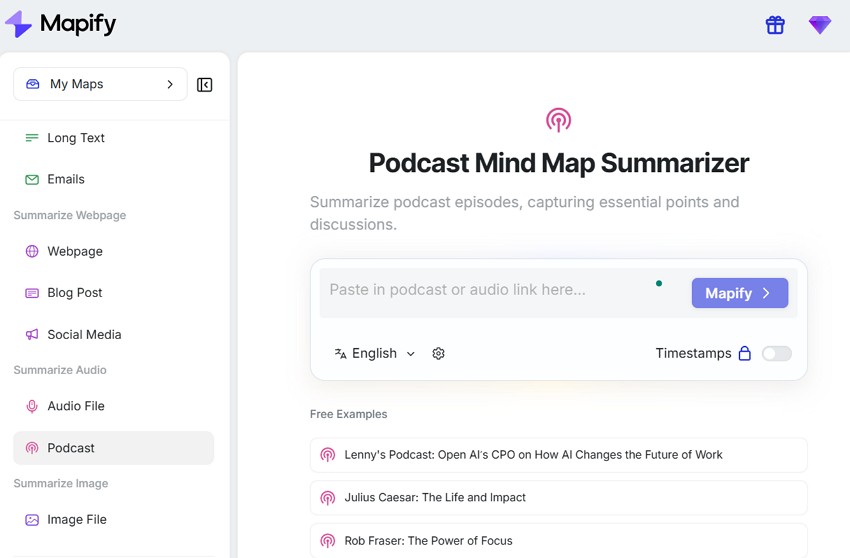
Mapify takes a visual-first approach to podcast-to-text conversion by transforming long audio into structured mind maps. Instead of delivering plain transcripts, it summarizes ideas, detects speakers, and organizes content into an easy-to-scan visual layout. Users can paste podcast links or upload audio files, allowing the AI to build multi-layered maps that highlight key themes and relationships.
By combining transcription with visual summaries and chat-based exploration, Mapify is well-suited for understanding dense or complex podcast episodes quickly. With support for multiple languages and cross-device syncing, it works well for students, creators, and professionals who need clarity without having to re-listen.
Key Features
- Multi-Source Mind Mapping: Summarize audio, video, PDF, document, and other files into structured mind maps
- Visual Summaries: Highlights key ideas, topic clusters, and timestamps for faster review
- Cross-Device Workspace: Syncs maps across browser and mobile apps for easy access and sharing
- Language Support: Transcribes and summarizes content in over 30 languages
Instantly turn your content into mind maps with AI
Get Started Now2. Sonix
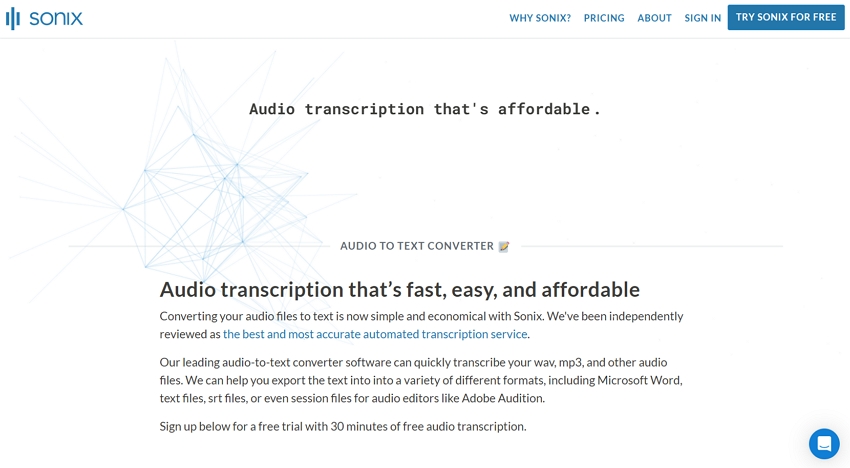
Sonix offers fast and accurate podcast transcription with support for more than 50 languages. Users can edit, translate, and export transcripts directly, making it suitable for teams working across regions. Its cloud-based workflow integrates well with collaboration and storage tools.
Because of its reliability and language coverage, Sonix is often used by researchers, global teams, and creators handling large volumes of recorded audio.
Key Features
- Supports multitrack uploads for separating speakers more cleanly
- Browser-based editor with word-level timestamps
- Multiple export formats and collaboration features for teams
3. Descript
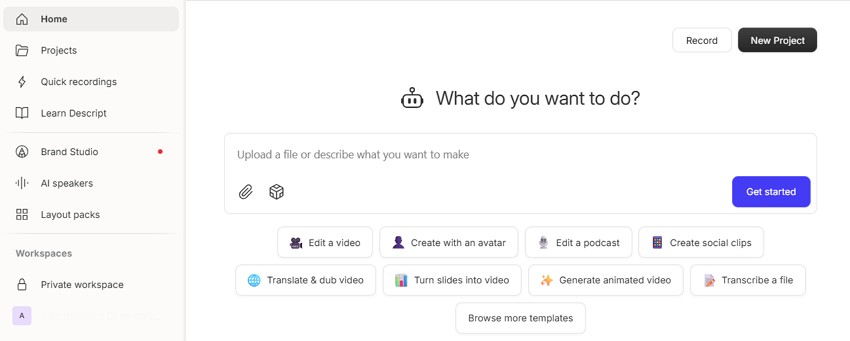
Descript converts podcasts to text while enabling text-based editing for audio and video. Users can remove filler words, rewrite sections, or enhance audio simply by editing the transcript. This approach removes the need for traditional timeline-based editing.
Its combination of transcription and media editing makes Descript especially useful for creators who want to streamline podcast and video post-production.
Key Features
- AI transcription with text-based editing for audio and video
- Media editing by modifying the transcript text
- Advanced AI tools, including filler removal, voice cloning, and captions
4. Otter.ai
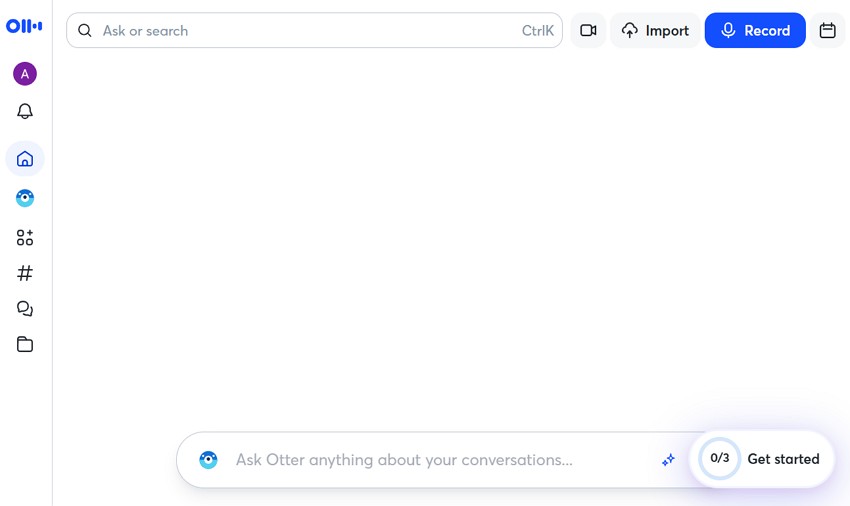
Otter.ai is best known for real-time meeting transcription, but it also works well for podcast audio when recordings are uploaded. It generates summaries, identifies speakers, and highlights key discussion points automatically.
With features like calendar syncing, AI agents, and shared workspaces, Otter.ai is helpful for teams and professionals who want quick insights from recorded conversations.
Key Features
- Synced audio and transcript for easy navigation
- Calendar and workspace integrations for collaboration
- Clear speaker identification in uploaded recordings
5. Happy Scribe
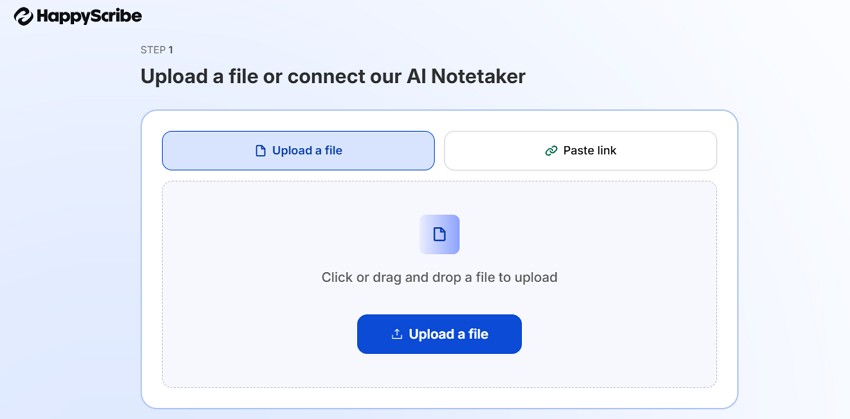
Happy Scribe provides both AI-based and human-verified podcast transcription services. Users can upload recordings, choose languages, and refine transcripts using a feature-rich editor. Its human review option makes it appealing for cases where accuracy is critical.
The platform is widely used by journalists, educators, and broadcasters who need clean transcripts, subtitles, and translations.
Key Features
- AI and human transcription in over 120 languages
- Editor with timestamps, speaker detection, and comments
- Subtitle creation, translation, and multiple export formats
6. Riverside
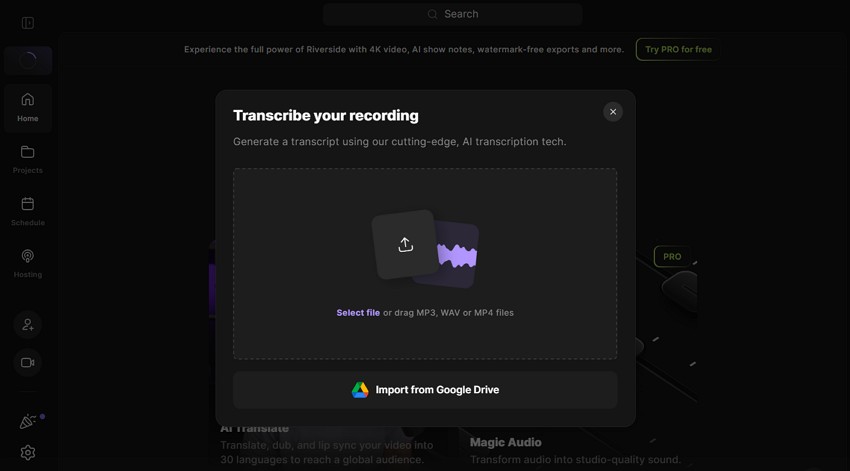
Riverside is primarily a high-quality remote recording platform that also generates accurate podcast transcripts automatically. Each participant is recorded on separate local tracks, which improves audio quality and transcription accuracy.
Its all-in-one workflow makes Riverside a strong choice for podcasters producing interviews, remote shows, or video podcasts.
Key Features
- Local multitrack recording for clean audio and video
- Transcripts synced precisely to recordings
- AI tools for creating show notes and highlight clips
7. Reduct.Video
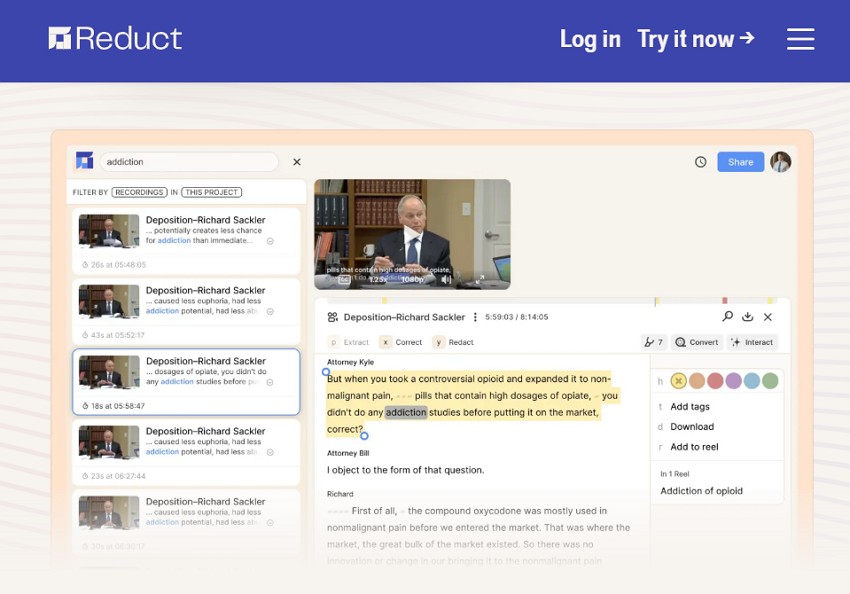
Reduct.Video focuses on research-oriented podcast and interview transcription. It allows users to search transcripts, highlight key sections, and jump directly to exact moments in the audio or video.
This makes it especially useful for UX researchers, legal teams, and anyone analyzing long-form interviews or research recordings.
Key Features
- AI or human-verified transcripts with high accuracy
- Clickable transcripts linked to exact media timestamps
- Tools for tagging, searching, clipping, and reviewing recordings
Conclusion
Keeping up with long podcast episodes can be challenging, especially when important ideas are spread across hours of audio. Converting podcasts to text makes it easier to review conversations, extract insights, and reuse content for study, research, or creation. Today’s tools offer reliable accuracy, speaker awareness, and flexible workflows that fit different needs.
Among these options, Mapify stands out by going beyond traditional transcripts. Instead of presenting long blocks of text, it transforms podcast content into structured visual mind maps that make review and recall much easier. With link-based processing, cross-device access, and an intuitive layout, Mapify offers a practical and effective way to turn podcasts into clear, usable text.
Instantly turn your content into mind maps with AI
Get Started Now


.png)